Once the scene is cleared and your vehicle is off the road, a second process begins: the claim. This is where Oregon drivers most often feel out of the loop — an adjuster they have never met, an estimate they did not write, and a repair date nobody will commit to.
This guide covers the insurance and repair side of an Oregon accident: what the law gives you, how a claim actually moves, and what controls how long your car sits in a shop. If you are still at the scene, read our step-by-step guide to what to do after a car accident in Portland first.
Oregon Law: You Choose the Repair Shop
Under ORS 746.280, an insurer may not require you to use a particular repair shop as a condition of settling your claim. The choice of who repairs your vehicle belongs to you, not to the adjuster.
Insurers may still suggest shops in their direct-repair program, and there is nothing wrong with those shops. But a recommendation is not a requirement, and declining one does not reduce what you are owed under your policy.
Oregon rules also address disclosure of non-original parts on an estimate, so you should be able to see whether a repair plan calls for OEM, aftermarket, or recycled parts before work begins. Ask for that breakdown in writing.
Who Pays: First-Party vs. Third-Party Claims
If you file with your own insurer under collision coverage, that is a first-party claim. You pay your deductible up front, repairs usually start sooner, and your insurer may pursue the other driver's carrier afterward — recovering your deductible if fault is settled in your favor.
If you file against the at-fault driver's insurer, that is a third-party claim. There is no deductible, but the other carrier has to accept liability before it authorizes anything, which is often what stalls a repair in the first week.
Oregon also requires personal injury protection on auto policies, which handles certain medical costs regardless of fault and is separate from the vehicle damage claim.
How the Claim Actually Moves
Most vehicle damage claims follow the same sequence, whichever carrier is paying:
- Claim opened and a number issued — keep it with every photo and receipt.
- An adjuster is assigned and liability is reviewed.
- An initial estimate is written, often from photos, covering only visible damage.
- Your shop disassembles the vehicle and finds what the photos missed.
- A supplement is submitted and approved — this step repeats as often as needed.
- Parts are ordered, repairs are performed, and the vehicle is refinished and reassembled.
- The insurer pays the shop directly; you pay your deductible at pickup.
The first estimate is almost never the final number. Supplements are normal, not a warning sign — they are how hidden damage gets paid for.
What Actually Drives Repair Timelines
Shops rarely control the clock by themselves. Four things usually decide it:
- Supplement approvals — every round of hidden damage waits on the adjuster's sign-off.
- Parts availability — a back-ordered OEM panel or module can add weeks on newer vehicles.
- Structural and calibration work — car frame measurement and ADAS sensor recalibration add steps that cannot be rushed.
- Paint and cure time — color matching, blending, and cure cycles have fixed durations.
A shop that gives you an honest range and tells you which of these is holding things up is being straight with you. A firm date quoted before disassembly usually is not real.
Total Loss, Rentals, and Diminished Value
If repair cost approaches the vehicle's value, the insurer may declare a total loss and pay actual cash value instead. You can dispute that valuation with comparable local listings and records of recent work.
Rental coverage comes from your policy or the at-fault carrier and often has a daily cap and a day limit — worth confirming before a long supplement cycle starts.
In a third-party claim, Oregon drivers may also raise diminished value, the loss in resale value a repaired accident vehicle carries even after a correct repair.
Where Crown Fits In
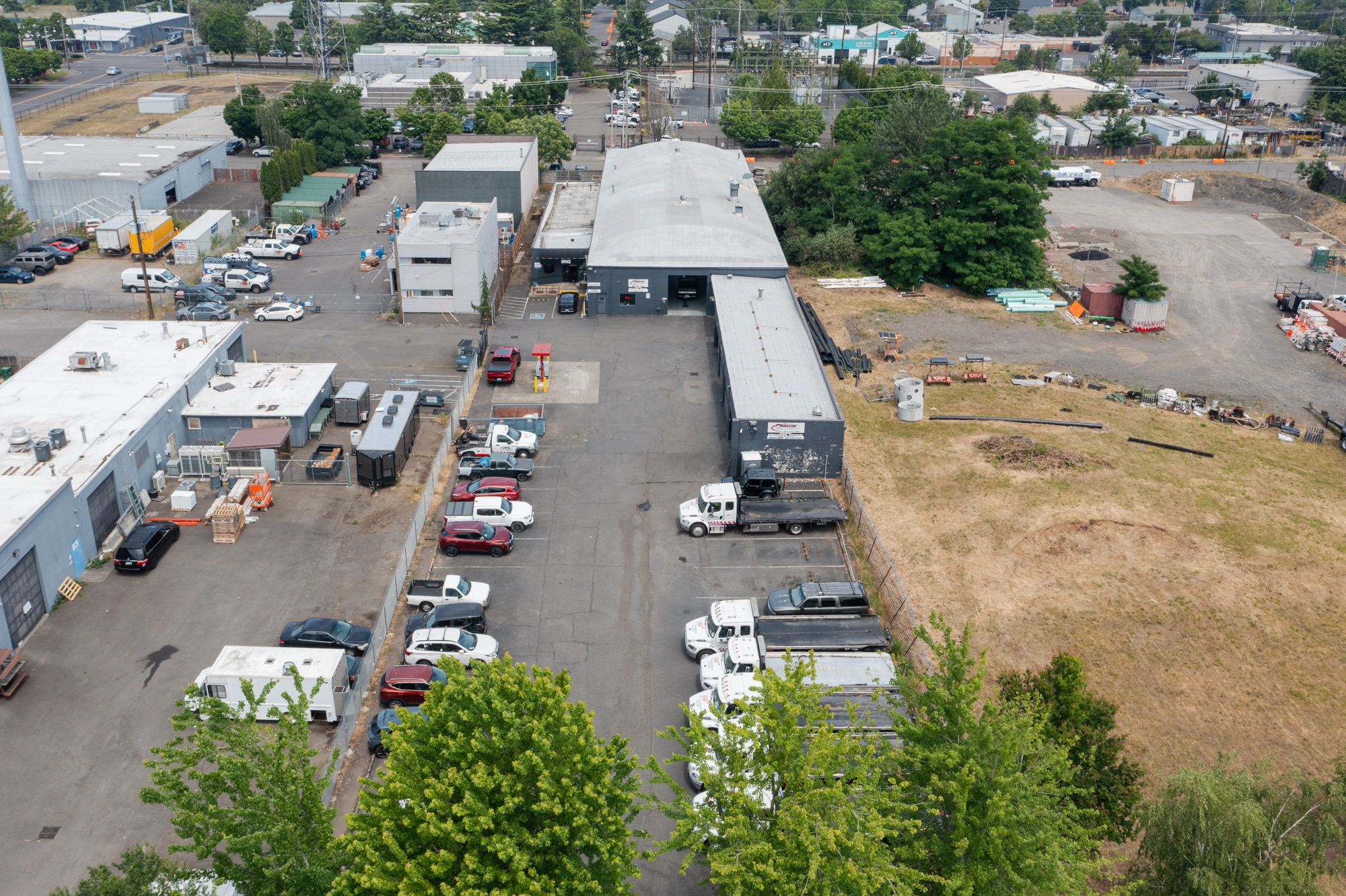
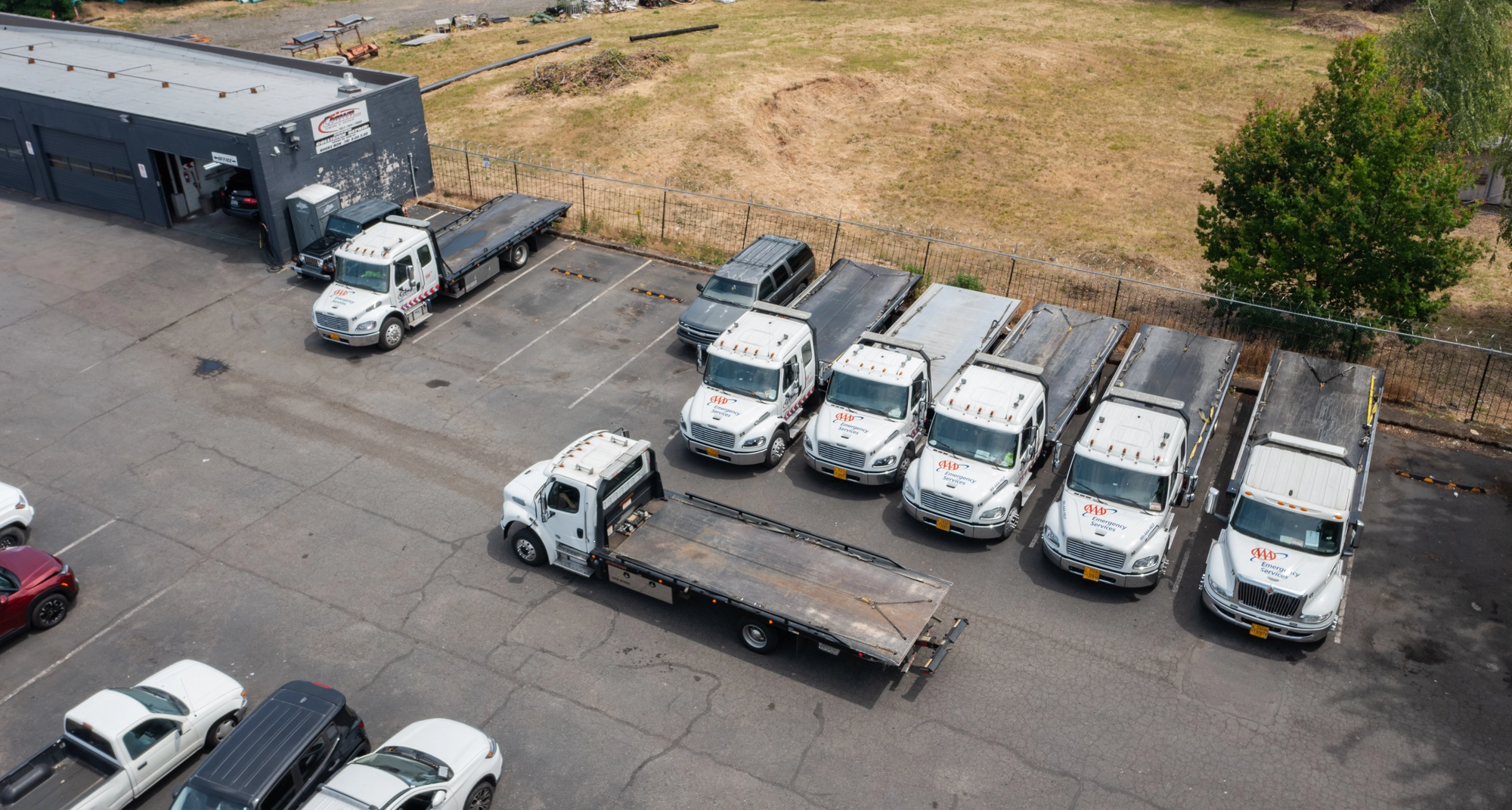
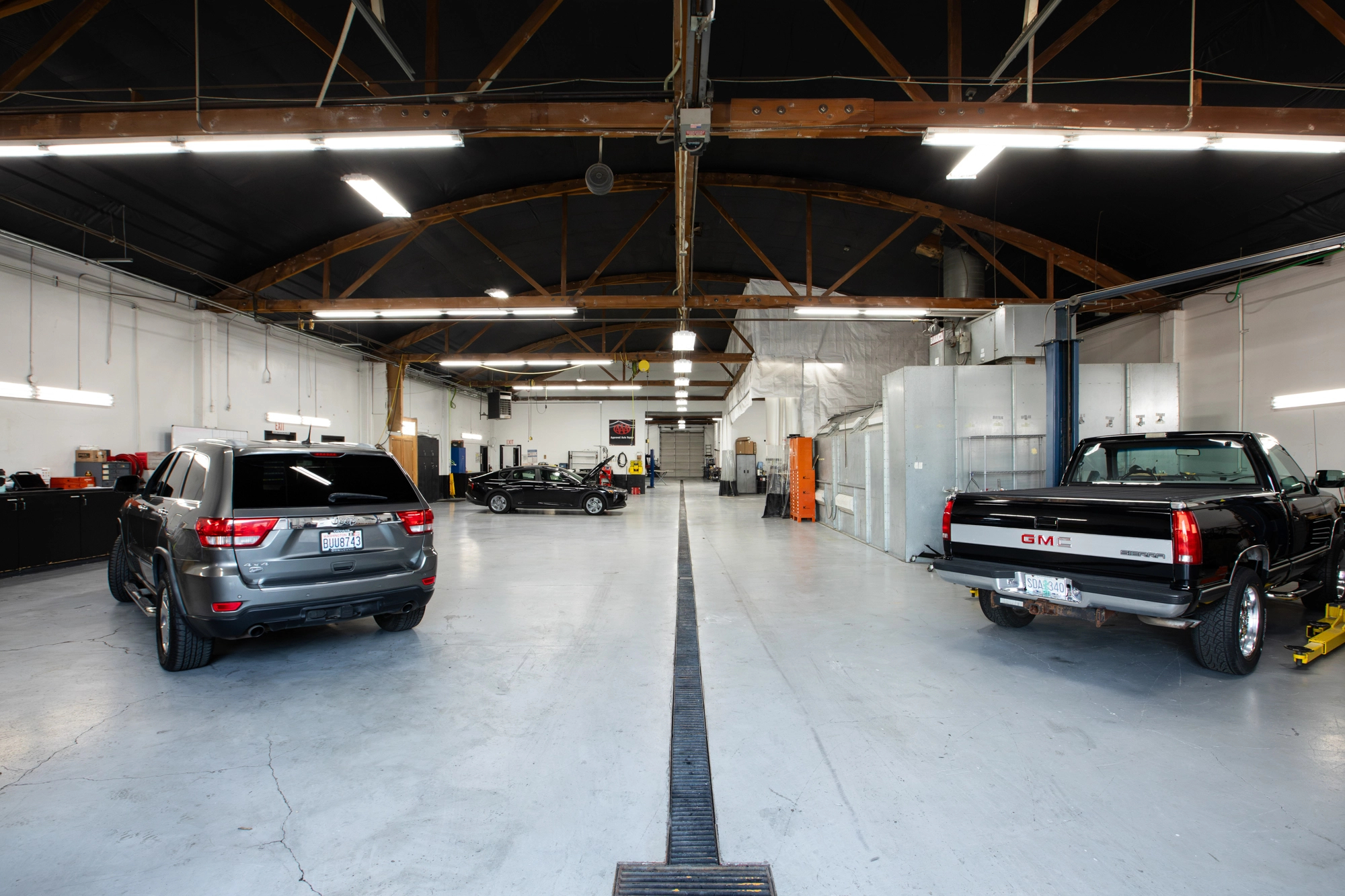
Crown writes the estimate, documents hidden damage, submits supplements, and talks to the adjuster directly, so you are not relaying technical answers between two parties. We are an I-CAR Gold Class shop in Portland and we handle the tow and the repair under one roof.
If you have an open claim or an estimate you do not understand, call Crown Towing & Collision Repair at 503.705.7000 and we will walk through it with you.