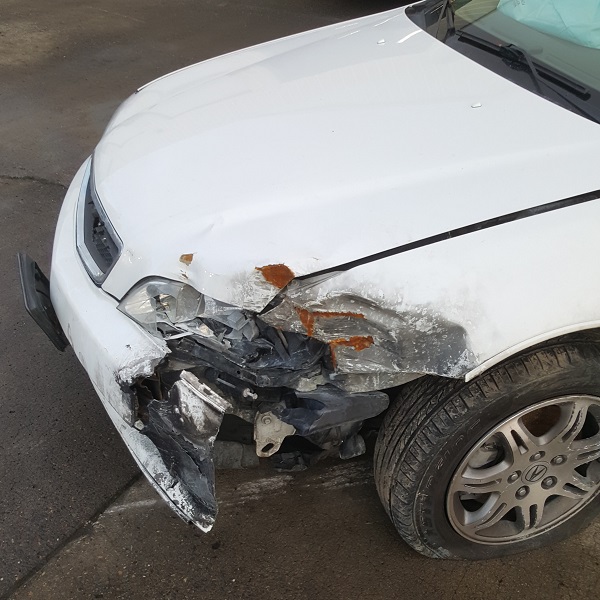
After an accident, drivers naturally focus on the damage they can see.
A crushed bumper, bent hood, or damaged fender is easy to notice. Structural damage can be less obvious, but it may have a greater effect on how the vehicle fits together and drives.
Understanding the basics can help you see why structural inspection can be an important part of collision repair.
What Does Structural Damage Mean?
Your vehicle's structure supports the body and helps keep major components in their correct positions.
Depending on the design of the vehicle, collision damage may affect structural rails, mounting areas, supports, or other engineered sections of the body.
Not every accident results in structural damage.
The severity depends on factors such as:
- Location of the impact
- Direction of the impact
- Force of the collision
- Vehicle construction
- Areas that absorbed the impact
Signs an Accident May Have Affected the Structure
Possible warning signs include:
- Doors that suddenly fit differently
- Hood or trunk gaps that appear uneven
- Panels that no longer line up properly
- Vehicle pulling while driving
- Steering wheel sitting off-center
- Uneven tire wear
- Visible bending underneath the vehicle
- Wheels appearing positioned differently
These symptoms can have several causes, so a professional inspection is needed to determine what was actually affected.
Why Measurements Matter
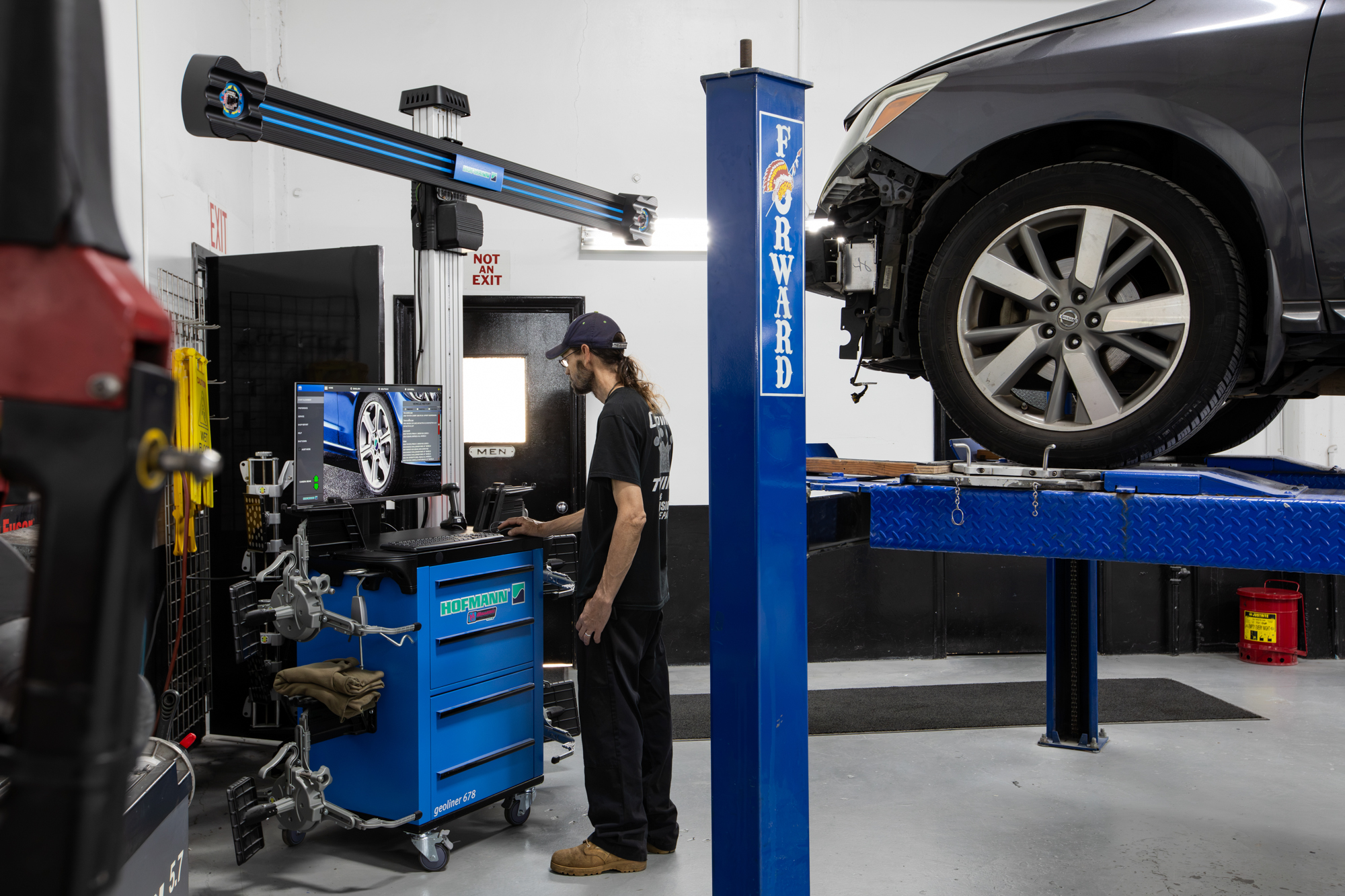
When structural areas are damaged, technicians need more than a visual estimate.
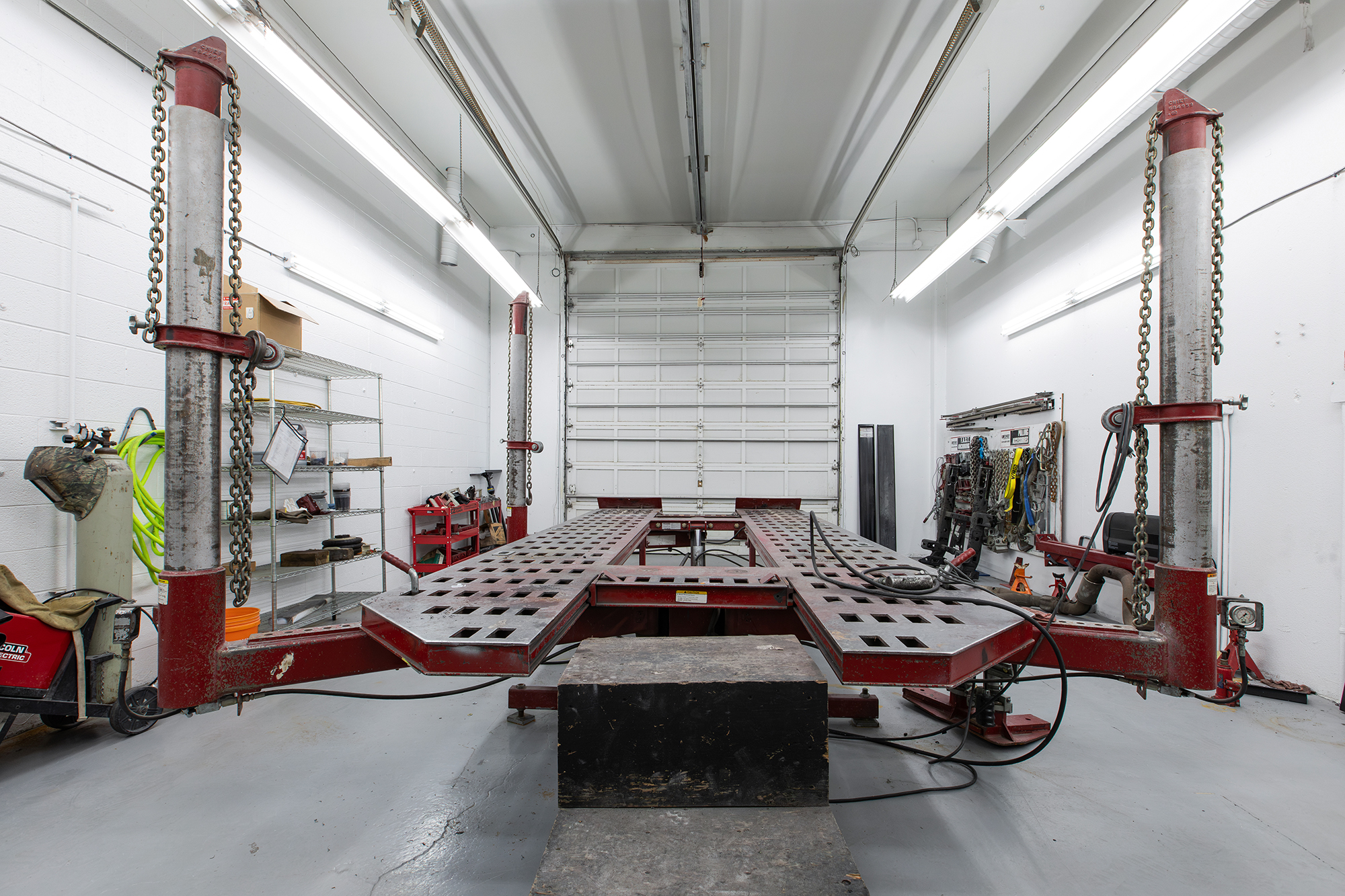
Vehicle measurements can help determine whether important structural points are positioned correctly and whether repair or straightening is required.
This matters because other parts of the repair depend on the underlying structure being in the correct position.
For example, exterior panels may not fit properly if the areas underneath them remain out of alignment.
Structural Repair Comes Before Cosmetic Repair
It may be tempting to focus on replacing the damaged bumper or refinishing a dented panel first.
When structural damage is involved, however, the underlying issue generally needs to be addressed before cosmetic work can be completed properly.
A structural repair may involve:
- Inspecting the damaged area
- Measuring important structural points
- Identifying affected areas
- Repairing or restoring those areas
- Rechecking measurements
- Repairing or replacing exterior components
- Completing refinishing and final inspections
Does Frame Damage Mean the Vehicle Is Totaled?
Not necessarily.
Whether a vehicle can be repaired depends on several factors, including:
- Extent of the damage
- Vehicle value
- Repair requirements
- Parts availability
- Labor involved
- Insurance evaluation
A proper inspection should happen before assuming structural damage automatically means the vehicle cannot be repaired.
Can You Still Drive a Vehicle With Structural Damage?
Sometimes a vehicle with collision damage may still move under its own power.
That does not necessarily mean it should continue to be driven.
Structural or related accident damage can affect steering, suspension, wheel positioning, body fit, and other areas that may not be easy to evaluate from the driver's seat.
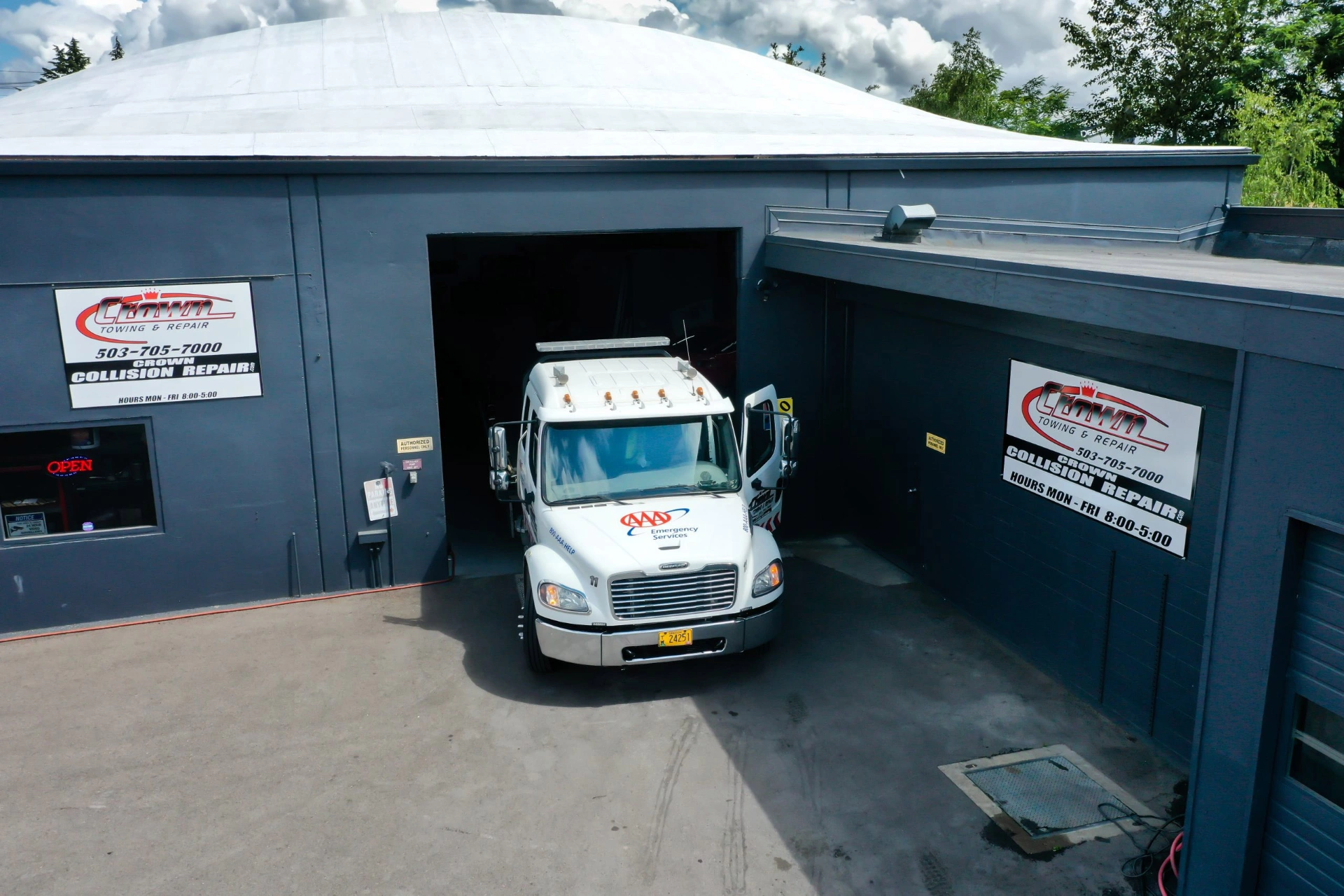
If you are unsure whether your vehicle is safe to drive after an accident, having it transported for inspection can be the safer choice.
Start With a Proper Inspection
Structural damage is one area where appearances can be misleading.
The goal is to understand what was affected underneath the visible collision damage before deciding how the vehicle should be repaired.
Crown Towing & Collision Repair provides frame, structural, body, and collision repair for Portland drivers.
Call 503.705.7000 to request an inspection or estimate.