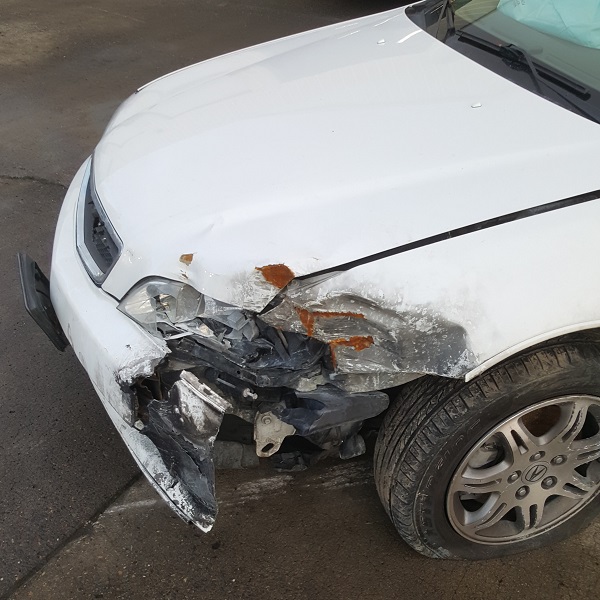
A bumper with a few scratches may look like minor damage.
But after a collision, what you see on the outside does not always tell the entire story.
Modern vehicles are made up of panels, supports, brackets, sensors, structural components, and suspension parts that work together. An impact can transfer force beyond the area that appears damaged.
That is why a proper collision inspection matters even when an accident seems relatively minor.
What Is Hidden Collision Damage?
Hidden damage refers to accident-related issues that are not immediately visible during a basic exterior inspection.
Some components are covered by bumpers, trim, body panels, or other parts. The damage may not become apparent until those pieces are removed or the vehicle is inspected more closely.
Behind the Bumper
The plastic bumper cover is only the exterior portion of the bumper system.
Depending on the vehicle, components underneath may include:
- Reinforcement bars
- Energy absorbers
- Mounting brackets
- Sensors
- Wiring
- Supporting components
A bumper may sometimes return close to its original shape even when something underneath has been affected.
Behind Body Panels
A dented fender or quarter panel may not be the only damaged part.
The impact can also affect mounting points and surrounding components that are difficult to see from the outside.
This is why additional damage is sometimes discovered after repair work begins.
Suspension and Steering Damage
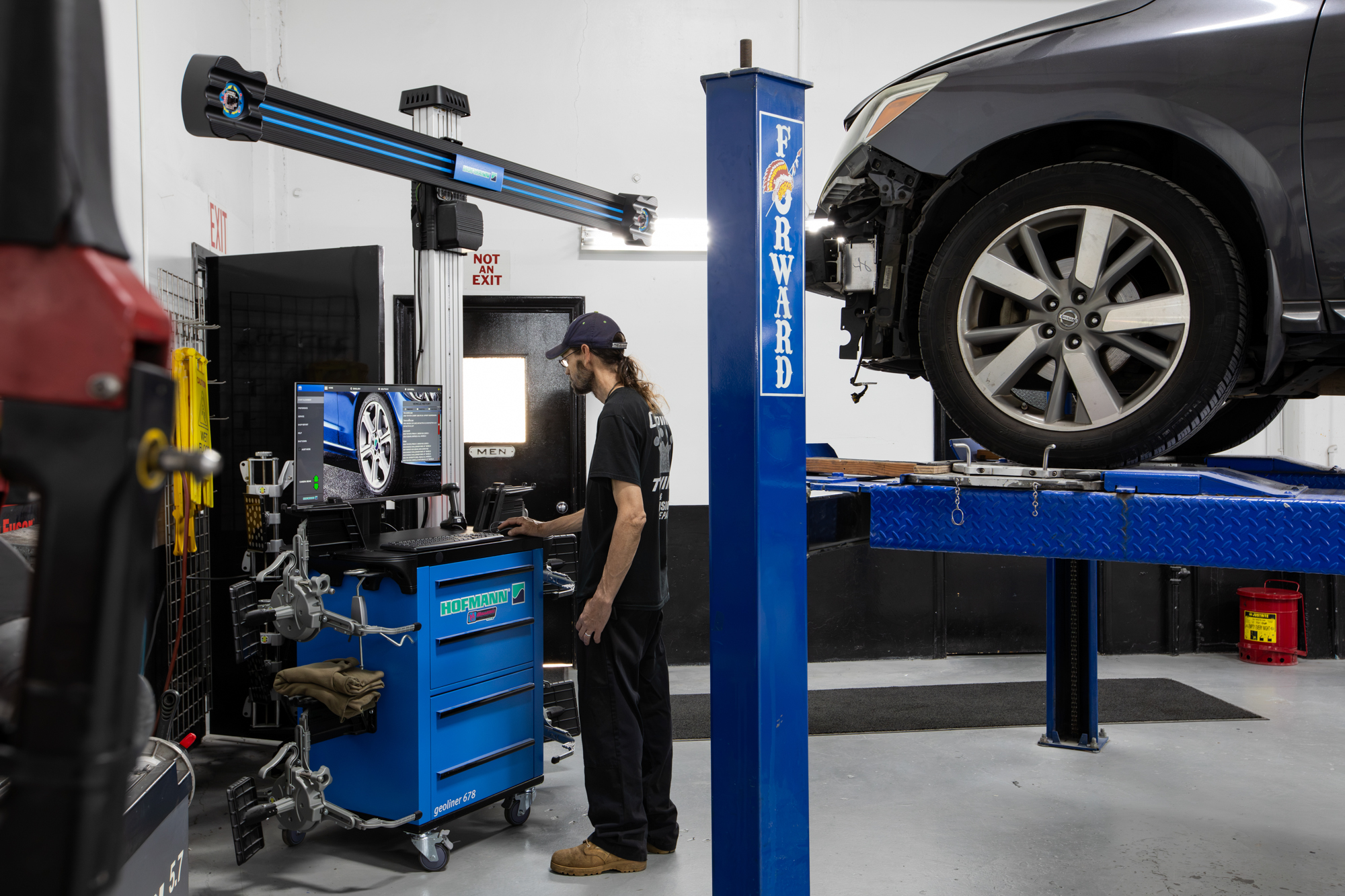
A collision involving a wheel or corner of the vehicle can affect more than the body.
Pay attention if the vehicle begins:
- Pulling to one side
- Vibrating
- Steering differently
- Making new noises
- Wearing tires unevenly
These symptoms may indicate that the alignment, steering, suspension, wheel, or surrounding components need further inspection.
Structural Areas Can Also Be Affected
A stronger impact can transfer force through the vehicle's structure.
Not every accident results in structural damage, but the affected areas should be evaluated when the location or force of the collision raises concerns.
Why Additional Damage May Be Found During Repairs
An initial estimate is generally based on what can be identified before the vehicle is taken apart.
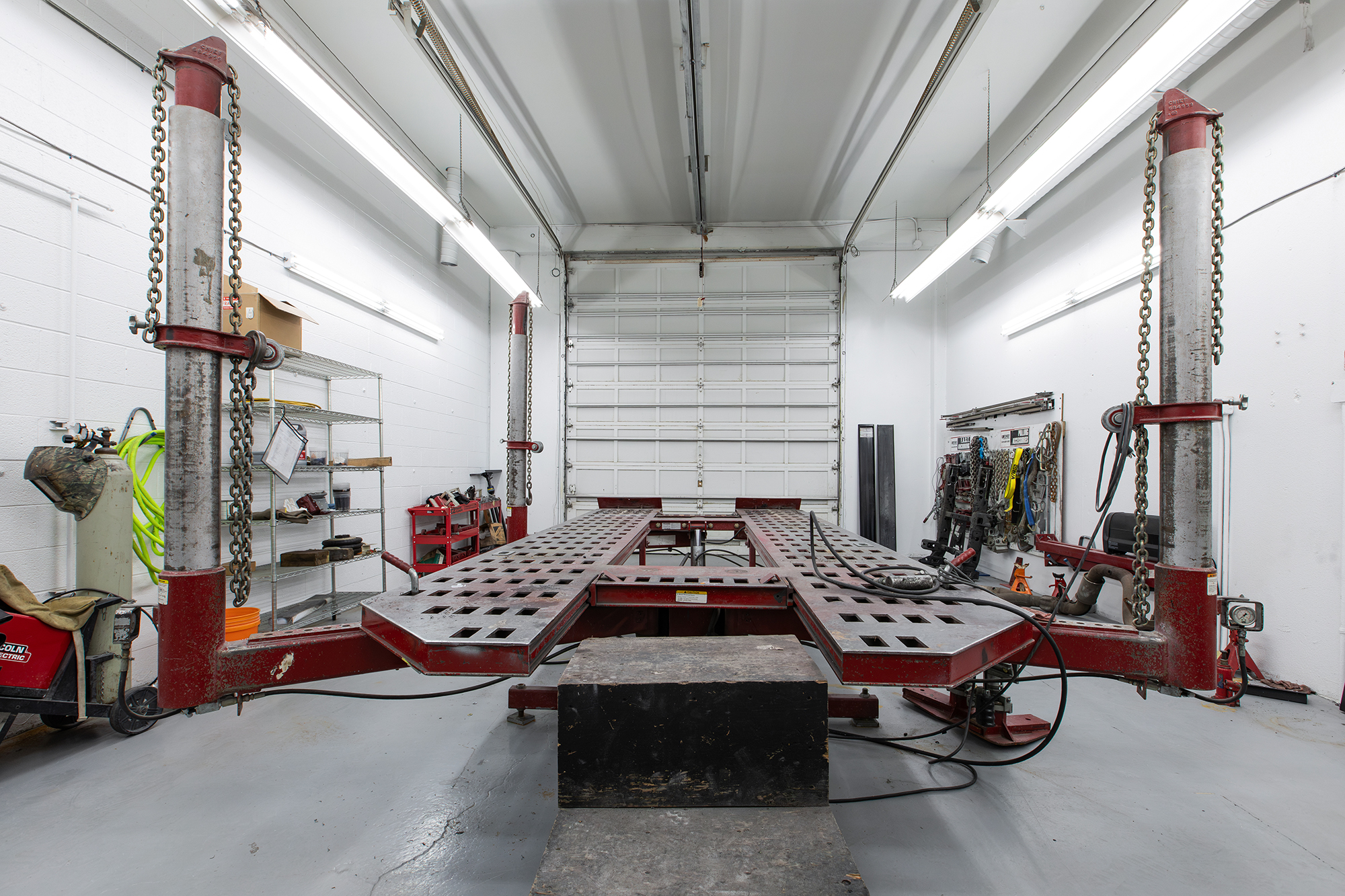
Once damaged exterior components are removed, technicians can access areas that were previously hidden.
If additional accident-related damage is found, the repair plan may need to be updated.
When insurance is involved, the repair shop may also need to provide additional documentation before proceeding.
Signs You Should Not Ignore
After a collision, watch for:
- Uneven body gaps
- Doors that do not close normally
- Steering changes
- Warning lights
- Fluid leaks
- New noises
- Tire rubbing
- Lights or sensors behaving differently
These signs do not automatically mean the vehicle has serious damage, but they are worth investigating.
Get the Full Picture
A collision inspection is about understanding what actually happened to the vehicle, not simply what can be seen from the outside.
Crown Towing & Collision Repair provides collision and auto body repair in Portland, including assessment of visible and hidden accident damage.
Call 503.705.7000 to request an estimate.